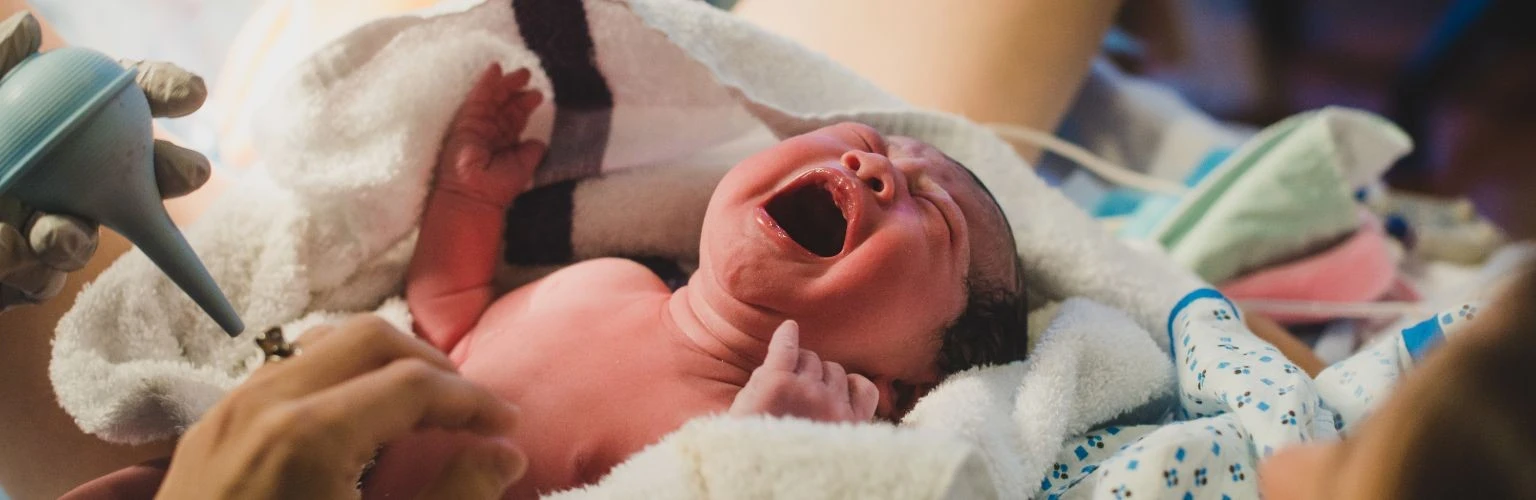
A World-First Infant Cry Research Program
The AXA Foundation for Human Progress is supporting groundbreaking research led by Professor Nicolas Mathevon, revolutionizing how we understand infant cries and their role in protecting children’s health. Building on over fifteen years of scientific work, the project investigates whether the acoustic features of newborn cries can help identify early neurodevelopmental risks and improve long-term outcomes.
From Research Vision to a Global-Scale Data Resource
The program, conducted at the University of Saint-Étienne, records and analyzes cries from 1,000 babies using advanced artificial intelligence methods. The goal is to determine wether specific acoustic patterns in crying can signal early developmental difficulties early on, such as issues with social interaction, autism spectrum disorders, language delays, or the effects of early neonatal brain injury.
A major milestone has been reached: cries from the 1,000th baby have now been recorded. Over two years, two neonatal care assistants, supported by an acoustic engineer, worked daily with parents and newborns to build an unprecedented dataset.
Key Figures of the Project so Far
1,040 newborns included in the study;
More than 100,000 crying sequences collected;
40 babies who did not cry during the recording days after birth.
This dataset is now by far the largest collection of infant cry recordings in the world. It will now be accessible to the international scientific community, enabling new advances in infant development and early diagnosis research.
Next Steps Toward Earlier Detection and Better Care
The research is entering into a new phase: long-term monitoring of all participating children, including those who did not cry during the initial recording period. The ultimate goal is to determine if reliable markers of neurodevelopmental problems can be detected in the acoustic structure of early cries and used as a screening tool.
By supporting this work, we help accelerate the integration of AI and data science into pediatrics and child development. The ambition is:
To enable earlier identification of at-risk children;
To guide more targeted follow-up and interventions;
To improve health and life trajectories from the very first days of life.
This initiative shows how cutting-edge research can benefit newborns and their families, with the potential to transform prevention and care worldwide.
Keep reading